
Hair Types: The Complete Guide to All 12 Types
Whether you search for hair types, types of hair, or all hair types from 1A to 4C, this hub maps every code to real care advice. Open the hair types chart or take the quiz to place yourself on the Andre Walker system.

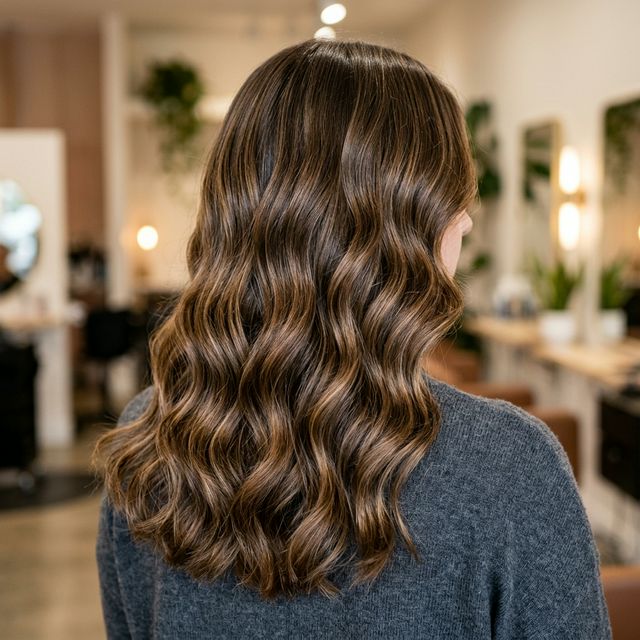
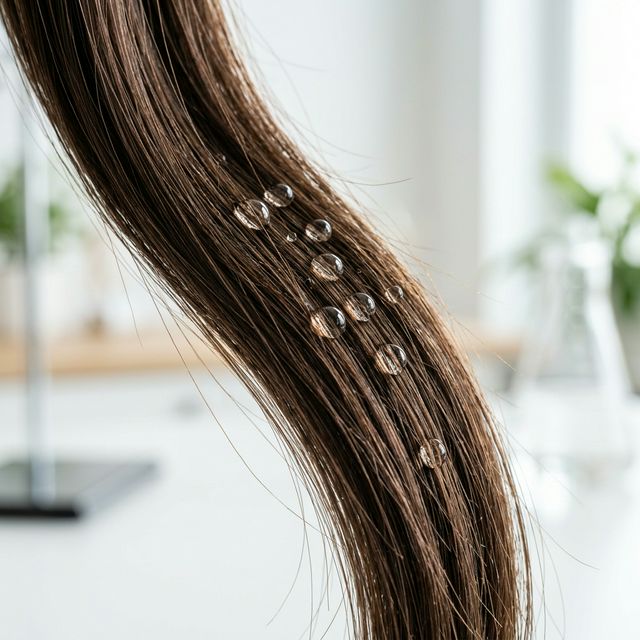
Understanding the 4 Main Hair Type Categories
The Andre Walker Hair Typing System classifies all hair types into 4 main categories, each with 3 sub-types (A, B, C) — totaling 12 distinct hair types.
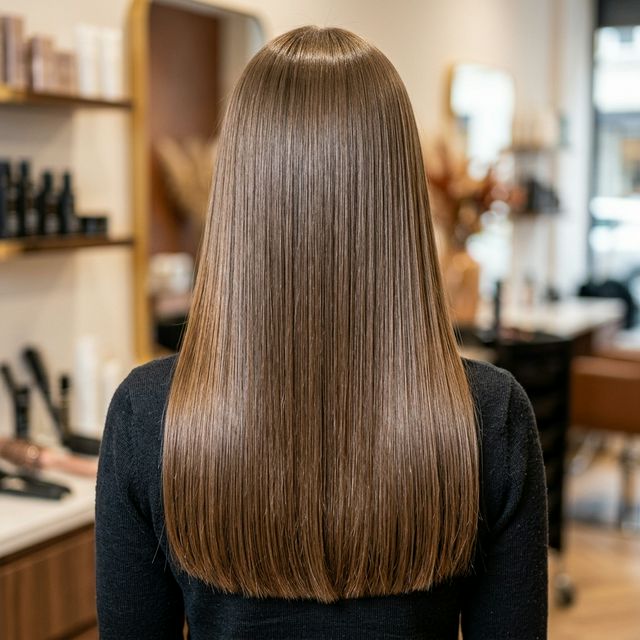
Type 1: Straight Hair Types
Type 1 hair is naturally straight with no curl or wave pattern. It ranges from fine and silky (1A) to thick and coarse (1C).


Type 2: Wavy Hair Types
Type 2 hair falls between straight and curly, forming S-shaped waves. It ranges from loose tousled waves (2A) to deep waves bordering curls (2C).



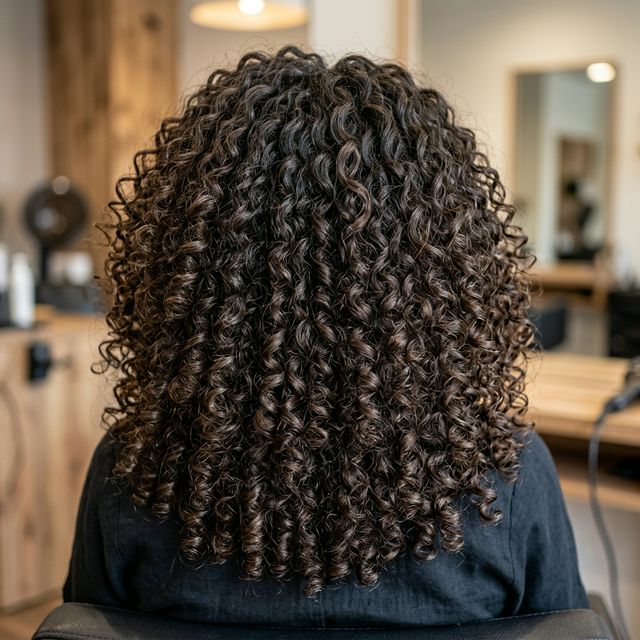
Type 3: Curly Hair Types
Type 3 hair features well-defined curls and ringlets. It ranges from loose bouncy spirals (3A) to tight corkscrews (3C).


Type 4: Coily Hair Types
Type 4 hair has the tightest curl pattern, forming coils and zigzag shapes. It ranges from tight S-coils (4A) to virtually no defined pattern (4C).
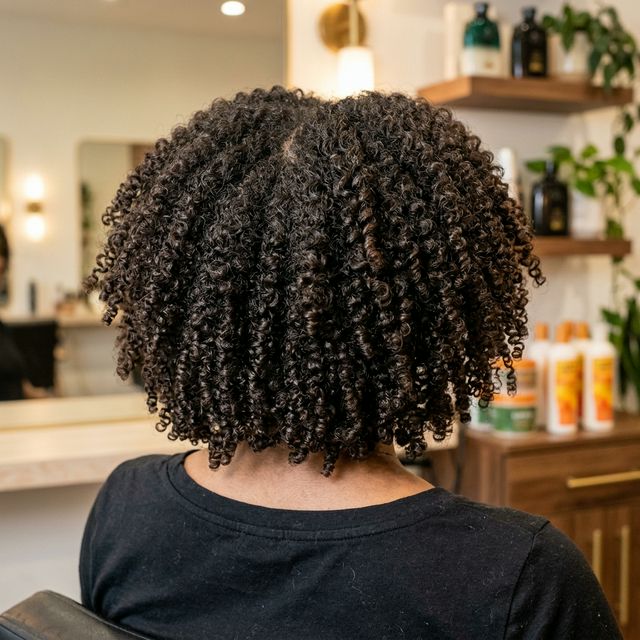
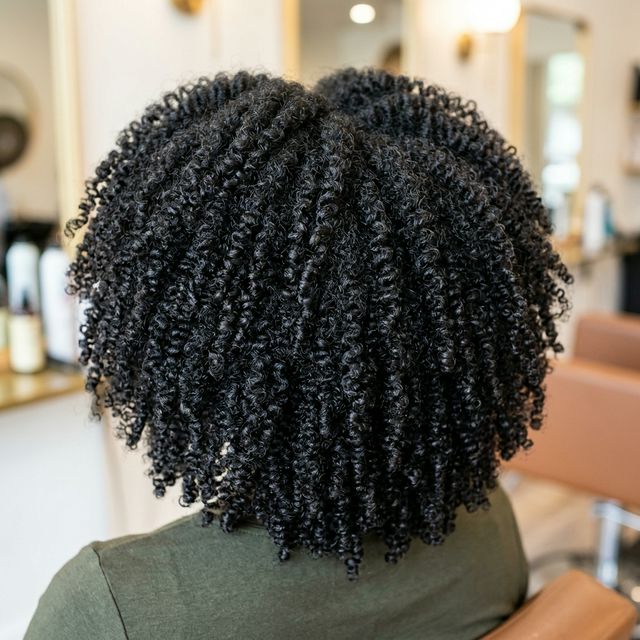
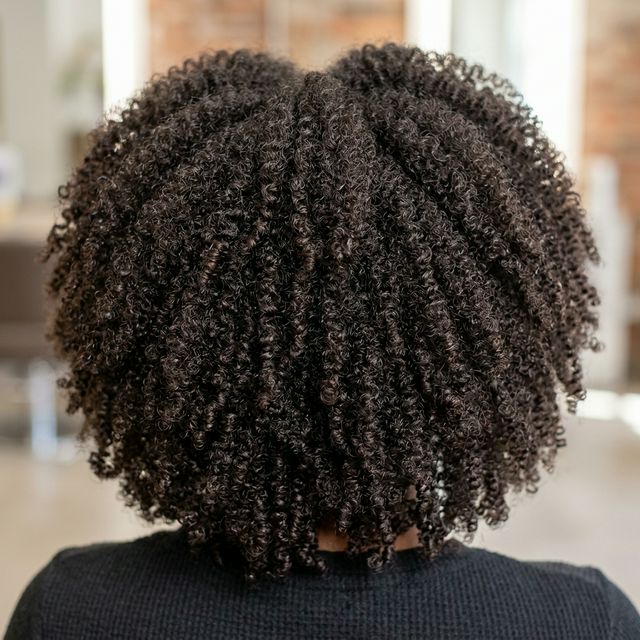
What Are Hair Types? The Complete Andre Walker Classification System
Hair types are classified using the Andre Walker Hair Typing System, created by Oprah Winfrey's hairstylist in the 1990s. This system categorizes all human hair into 4 main types based on curl pattern: Type 1 (Straight), Type 2 (Wavy), Type 3 (Curly), and Type 4 (Coily). Each main type is further divided into three sub-types (A, B, C) based on the tightness of the pattern, creating 12 distinct hair types in total.
How Hair Types Are Determined
Your hair type is primarily determined by the shape of your hair follicle. Round follicles produce straight hair, oval follicles produce wavy hair, and asymmetrical follicles create curly and coily patterns. Genetics plays the biggest role in determining your hair type, though factors like hormones, aging, and chemical treatments can alter your natural pattern over time.
Beyond Curl Pattern: The LOIS System and Other Factors
While the Andre Walker system focuses on curl pattern, understanding your complete hair profile also requires knowing your hair porosity (how well hair absorbs moisture), hair density (how many strands per square inch), and strand thickness (fine, medium, or coarse). Together, these factors determine the best products and care routine for your specific hair. The LOIS system is an alternative classification that focuses on strand shape (L=bent, O=coils, I=straight, S=wavy) and provides additional texture details.
Why Knowing Your Hair Type Matters
Identifying your correct hair type is the foundation of an effective hair care routine. Each of the 12 hair types has unique moisture needs, styling requirements, and product preferences. Using the wrong products — such as heavy oils on fine 1A hair or lightweight sprays on coily 4C hair — can lead to damage, dryness, or product buildup. Our free hair type quiz helps you determine your exact type in under 2 minutes, and each of our detailed type guides provides personalized care recommendations.
Limits of any single typing system
The Andre Walker system describes visible curl geometry on hair that is not stretched by brushing, heat, or tight styling. It does not diagnose scalp disease, hair loss, or allergy. It also does not replace measurements that matter in salons and clinics—such as hair density (fibers per unit area), fiber diameter (often described colloquially as fine vs. coarse), or porosity (how readily the cuticle admits and loses water and product). Two people with the same code can still need different routines if porosity, climate, or chemical history diverge.
How professionals use hair type language
Stylists may use 1A–4C as a shared shorthand when discussing product weight, heat exposure, and detangling risk. Dermatologists focus on follicular and inflammatory conditions; they may note texture but will not treat "3B" as a diagnosis. When symptoms such as sudden shedding, scaly patches, or painful bumps appear, medical evaluation should precede cosmetic experimentation.
Evidence and ongoing debate
Peer-reviewed literature more often discusses fiber shape, cross-section, and damage mechanics than consumer-facing letter codes. The Walker categories remain useful because they are widely recognized in beauty education and search behavior, not because they capture every axis of variation. Alternative frameworks (including LOIS and porosity-first approaches) can coexist; readers should treat labels as starting points for structured observation, not rigid identity boxes. For vetted journal sources and DOI links, see our guide hair types & science.
Not Sure What Hair Type You Have?
Take our free 5-question quiz to discover your exact hair type. Get personalized care tips and product recommendations based on your results.
Start the free quiz