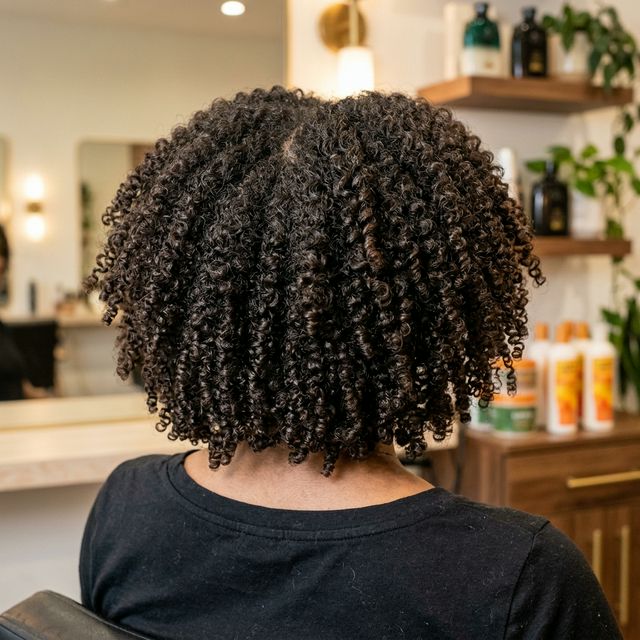
4A hair in plain language (search terms & labels)
You will see type 4 hair searches narrow to 4a hair, 4a hair type, type 4a hair, and S-pattern coils. Type 4A is the coily (Type 4) entry: tight coils with a visible S when stretched, crochet-needle-scale circumference, and high shrinkage. It shares family traits with 4B and 4C but keeps more visible curl definition when hydrated.
Key Characteristics of 4A Hair
- Tight S-pattern coils (crochet needle-sized)
- Dense, springy texture
- Defined curl pattern when wet
- Significant shrinkage (up to 75%)
- Fine to wiry strand texture
Common Challenges for 4A Hair
People with 4a hair commonly face these challenges:
How to Care for 4A Hair
The right care routine for 4a hair addresses its unique moisture and styling needs. Here are the essential tips:
- Heavy moisture products
- Protective styling essential
- Detangle with conditioner only
- Seal moisture with oil
Deep dives for 4A Hair
Continue with the dedicated care guide, product guide, and hairstyles hub for longer, SEO-friendly explanations that expand on the summary above.
4A Hair vs Other Coily Hair Types
While all Type 4 (coily) hair shares a similar overall pattern, the differences between the sub-types (4A, 4B, 4C) are significant when it comes to product selection and styling techniques. Understanding where 4a hair falls on this spectrum helps you choose the right approach.
Clinical and practical context for 4A Hair
4A Hair describes observable fiber curvature and packing on intact, minimally manipulated strands. It is a cosmetic classification, not a medical diagnosis. Research papers more commonly reference measurable traits— diameter, ellipticity, lipid content, and damage to the cuticle—than consumer letter codes, but the codes remain useful because they align with how products are marketed and how stylists communicate with clients.
If you notice abrupt texture change together with scalp pain, circular bald patches, or shedding that clogs your drain, prioritize evaluation by a board-certified dermatologist or qualified trichology clinic before adjusting your routine based on typing alone.